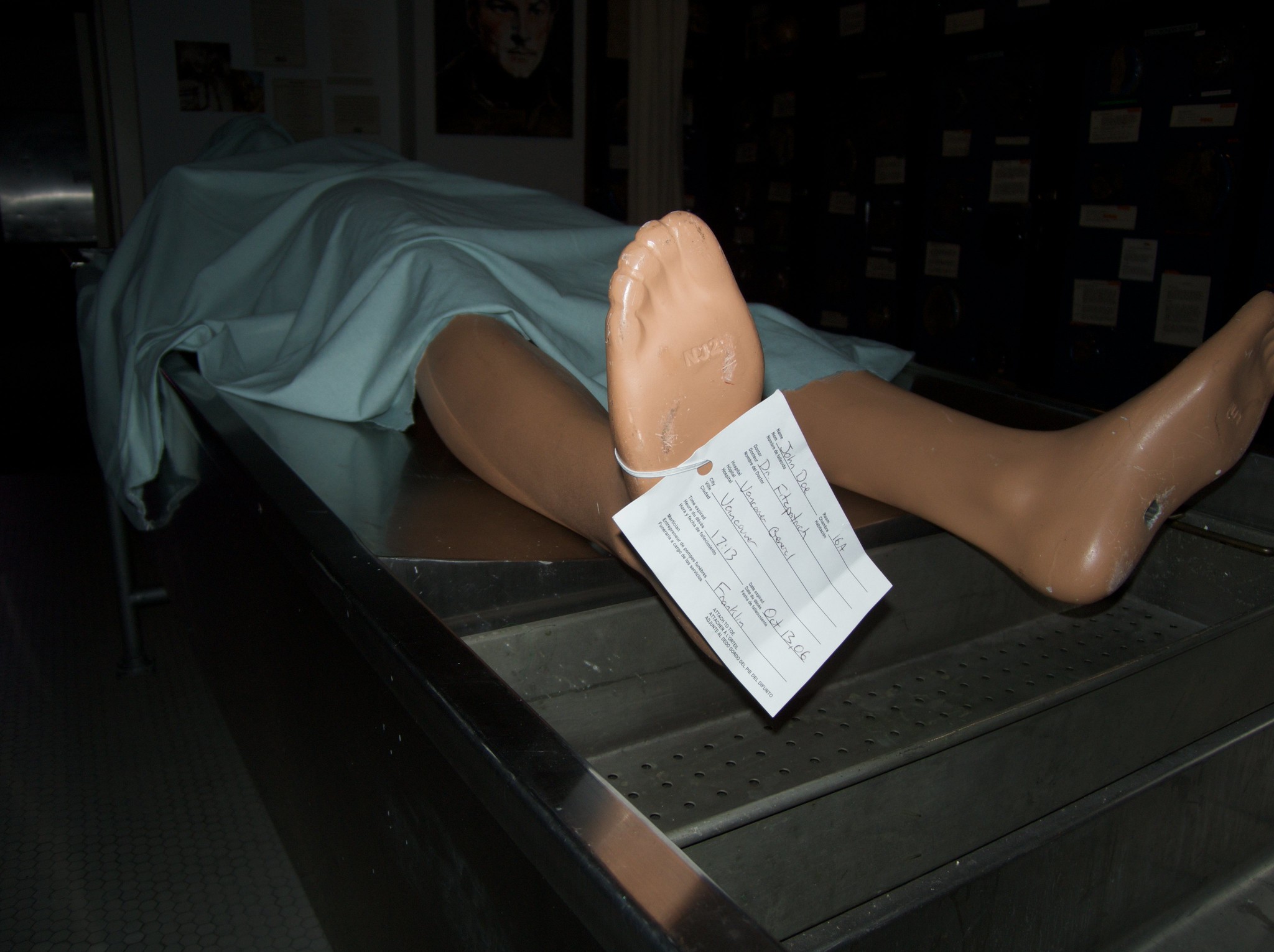
In Spring Break 2009, 1,300 visitors came to the Vancouver Police Museum in six days—nearly a full month’s attendance compressed into one week. The surge was driven entirely by word-of-mouth and social media enthusiasm around hands-on forensic science workshops designed for school-age children, with no paid advertising or traditional press outreach. The program’s unexpected success demonstrated how targeted educational programming, when matched precisely to audience interest and designed for social sharing, could generate outsized impact for a small cultural institution. Kids told friends. Parents posted photos. The museum’s Twitter feed amplified the momentum.
The forensics workshops emerged from repackaging existing educational content for a broader Spring Break audience seeking engaging, drop-in activities. Topics included fingerprint analysis, impression evidence (footprints and tire treads), forensic entomology, ballistics, and blood spatter analysis for older students – all designed as one-hour, hands-on experiences with limited capacity (25 students per session) to maintain quality and manage the historic building’s constraints. The program succeeded because it offered something genuinely distinctive: access to real forensic concepts in an authentic law enforcement setting, positioned at the intersection of CSI-era cultural interest and parents’ desire for educational spring break options.
The immediate challenge was replicating success without losing authenticity. Following Spring Break, the program expanded into a summer series with advance registration and tiered pricing, integrating with the museum’s ongoing investigation activities while preserving the hands-on, drop-in accessibility that made the original week work.
Spring Break taught me that you can’t design for scale—you earn it when people actually want to participate. The 1,300 visitors weren’t the goal. They were the result of creating something worth sharing.